Engineered to Operate as One.
Integrated Power Architecture built from Operational Requirements – not a collection of disconnected equipment.
Intelligent Power.
Integrated Resilience.
Mission Assurance.
BCPE Engineers and Integrates Mission-Critical Microgrid Systems for Defense Installations, Federal Facilities, and Critical Infrastructure—delivering Resilient, Coordinated Power Architectures designed around Operational Requirements.
We don’t simply assemble off-the-shelf components and call it a Microgrid. We investigate Mission Requirements, Evaluate Technologies, Engineer the Architecture, Model and Test Performance, and Validate Interoperability before Integration.
Every component must function as part of a coordinated, resilient power system.
Before Integration Comes Understanding.
We Begin by Identifying Mission Requirements, Operational Constraints, and Potential Failure Modes. Every Engineering Decision is Driven by Mission Objectives, System Resilience, and Operational Continuity.
Understand the Mission
Assess Mission-Critical Loads, Site Constraints, Utility Conditions, Operational Priorities, and the Consequences of Power Interruption.
Engineer the Architecture
Model Power Generation, Energy Storage, Conversion, Distribution, Protection, and Controls as One Integrated Mission System.
Challenge Assumptions
Develop and Execute Test Plans covering Operating Modes, Transition Performance, Power Quality, Control Logic, Fault Conditions, and System Interoperability.
Prove Coordinated Function
Validate System Interfaces, Verify Integrated Performance, Support Commissioning, and Establish Lifecycle Sustainment Requirements before Final Acceptance.
The Full System.
Not Just the Hardware.
Power Generation, Energy Storage, Intelligent Controls, Cybersecurity, Protected Distribution, and Mission Operations—Engineered as One Integrated Power System.
Microgrid Engineering & Integration
Engineering Hybrid Power Architectures integrating Generation, Energy Storage, Distributed Energy Resources, and Protected Electrical Distribution.
Advanced Energy Management
Intelligent Power Dispatch, Mission-Critical Load Prioritization, Fuel Optimization, and Predictive Energy Analytics.
AI/ML & Digital Twin Technologies
Physics-Informed Modeling, Digital Simulation, and Intelligent Supervisory Control Technologies under Development.
ICS/SCADA & Secure Automation
PLC-Based Automation, Secure Wired Communications, Industrial Cybersecurity, and Mission-Critical Operational Monitoring.
Grid Resilience & Mission Continuity
Islanding, Black-Start Capability, Fault Isolation, Power Quality Management, and Redundant System Architectures.
Testing & Lifecycle Support
Integrated System Testing, Performance Validation, Commissioning Support, and Lifecycle Sustainment Planning.
Generation. Storage.
Protected Delivery.
BCPE Evaluates and Selects Power Generation, Energy Storage, Conversion, and Distribution Technologies based on Mission Requirements, Technical Readiness, System Interoperability, and Lifecycle Performance. Our Vendor-Neutral Engineering Approach ensures Technology Selection is Driven by Operational Requirements—not Manufacturer Preference.
BCPE Prioritizes PLC-Based Local Controls, Secure Wired Communications, and Protected System Interfaces to Maintain Mission-Critical Operations. Our Architectures are Designed to Preserve Essential Power Functions when Communications, Telemetry, or Supervisory Intelligence are Degraded or Unavailable.
Explore Intelligent Controls & Digital Twin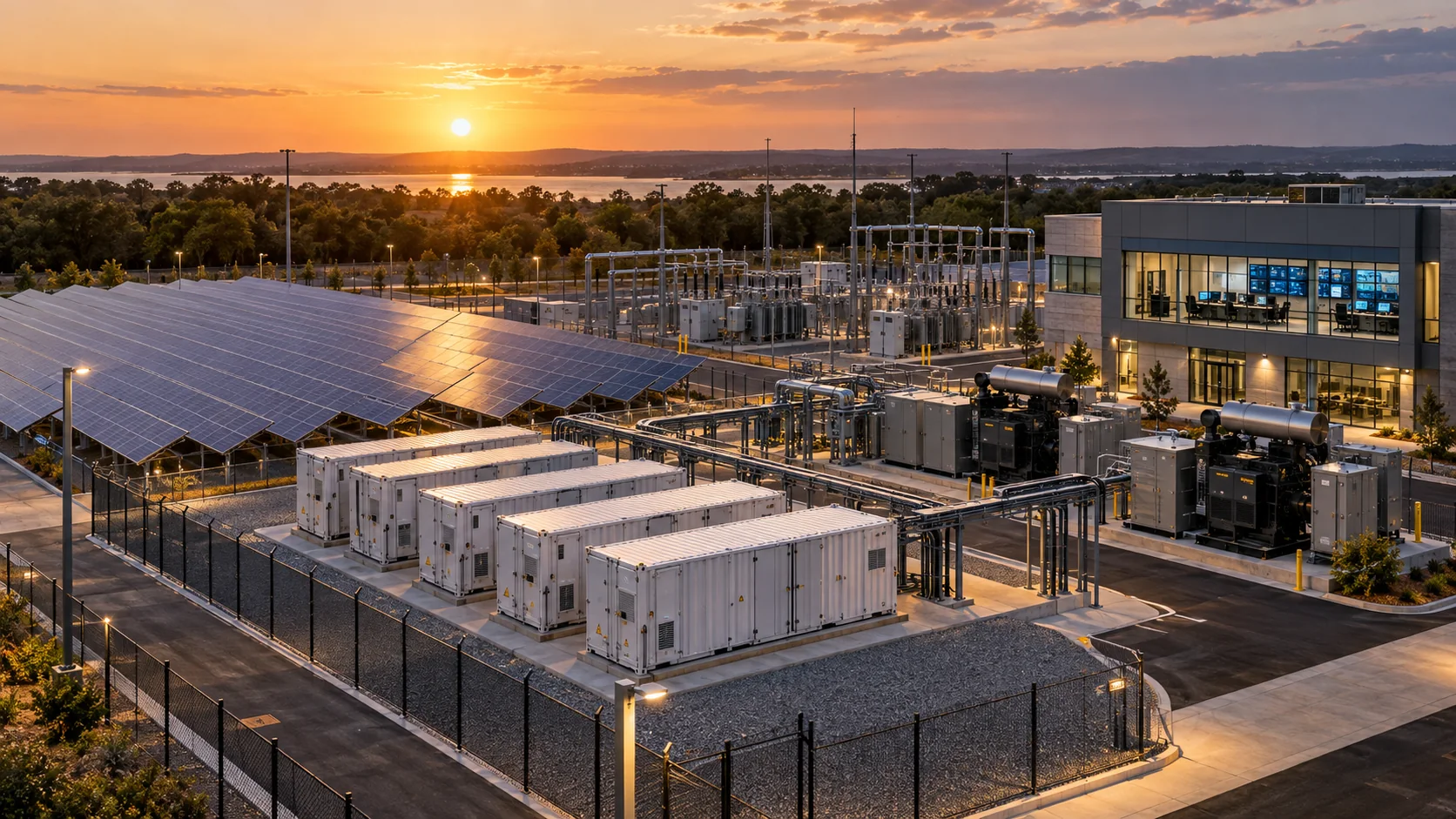 Illustrative microgrid integration facility
One Integrated Architecture.
Multiple Mission-Critical Applications.
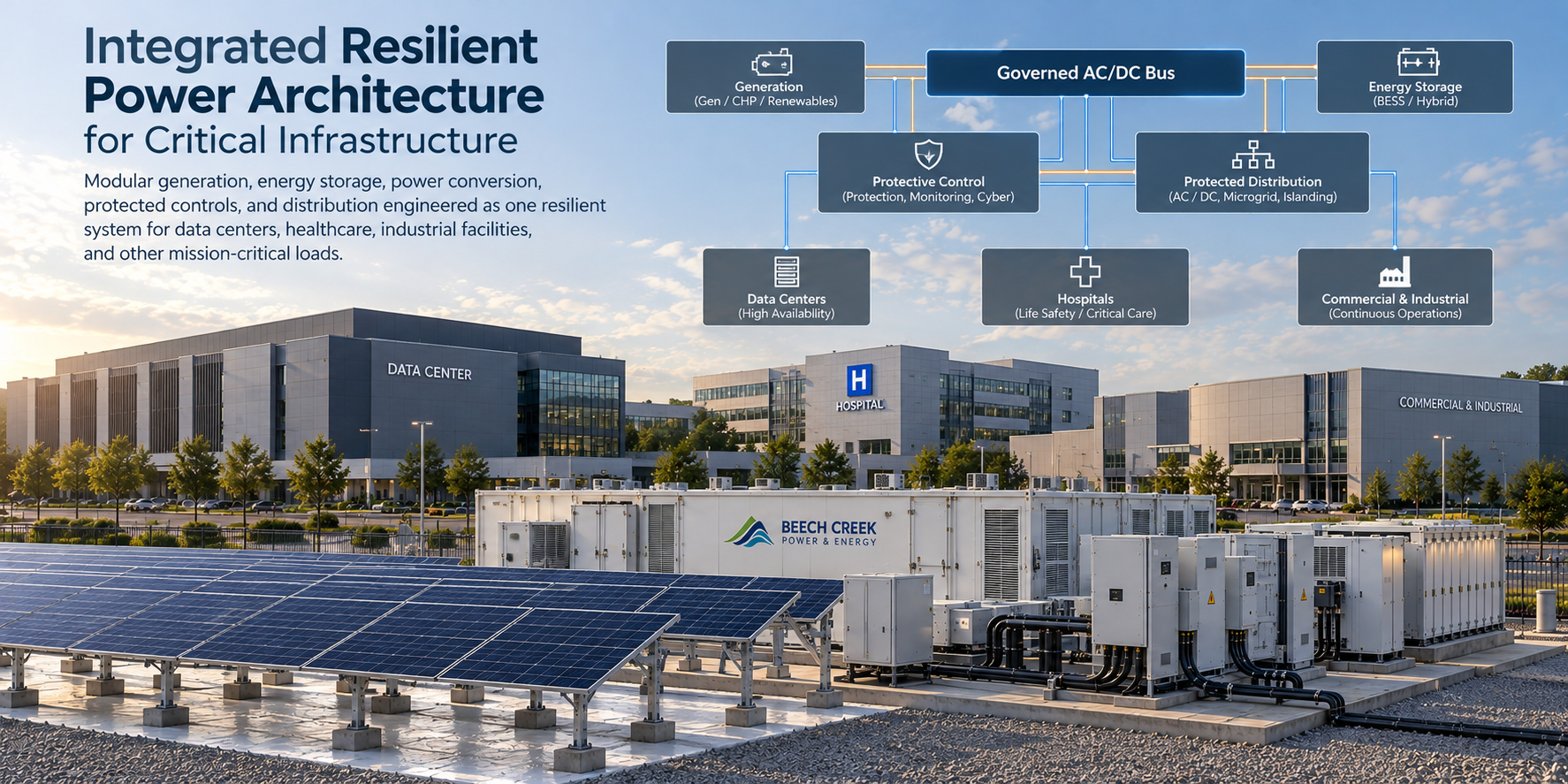
BCPE Engineers Coordinated Power Generation, Energy Storage, Intelligent Controls, and Protected Distribution to Support Data Centers, Healthcare Facilities, and Critical Industrial Operations.
Engineered as One System.
Designed Around the Mission.
BCPE Approaches Critical Infrastructure Power as an Integrated Engineering System—not a collection of independently selected Generators, Batteries, Inverters, and Electrical Equipment.
Our Engineering Process begins with an Assessment of Facility Electrical Loads, Operational Requirements, Existing Infrastructure, Critical Functions, and the Consequences of Power Interruption. These findings establish the basis for a coordinated architecture integrating Power Generation, Energy Storage, Conversion, Protection, Controls, and Distribution.
The Objective is a Resilient, Efficient, and Maintainable Power System engineered to support Mission Continuity under Normal, Degraded, and Emergency Operating Conditions. Architecture Selection, Equipment Integration, Protective Coordination, and System Validation are driven by the needs of the facility—not by a predetermined equipment package.
Generation & Energy Storage
BCPE Evaluates and Integrates Conventional Generation, Renewable Energy, and Energy Storage Technologies according to Critical-Load Requirements, Dispatch Priorities, Operating Duration, System Resilience, and Lifecycle Economics. Each Resource is evaluated as part of the Complete Electrical Architecture.
Governed AC/DC Architecture
Power Conversion, Electrical Interconnection, and Energy Management are coordinated to balance Available Generation and Storage against Operational Demand. AC, DC, or Hybrid Bus Arrangements are selected according to Load Characteristics, Interoperability, Protection Requirements, and System Performance.
Protected Controls & Distribution
PLC-Based Local Controls, Secure Wired Communications, Protective Coordination, and Fault Isolation form the foundation of resilient operations. Essential Power Functions are designed to remain available when External Communications, Telemetry, or Supervisory Intelligence are Degraded or Unavailable.
Mission-Critical Applications
Data Centers, Hospitals, Industrial Facilities, Defense Installations, and Federal Infrastructure have different Electrical and Operational Requirements. BCPE Engineers each Architecture around the Resilience, Power Quality, Operational Continuity, and Maintainability needs of the supported mission.
A Resilient Power System Must Function as a System.
BCPE focuses on the Engineering Relationships between Energy Sources, Power Conversion, Protection, Controls, Distribution, and Critical Loads. Our approach emphasizes coordinated operating modes, defined system interfaces, failure-response planning, integrated testing, and lifecycle sustainment—with the Mission Requirement driving every design decision.
Architecture shown is conceptual. Equipment selection, bus configuration, protection schemes, and performance characteristics are determined through application-specific engineering and validation.
SILENCE™
Smart Integrated Low-Emission, Noise-Controlled Energy
Resilient Power.
Engineered for a Quieter Environment.
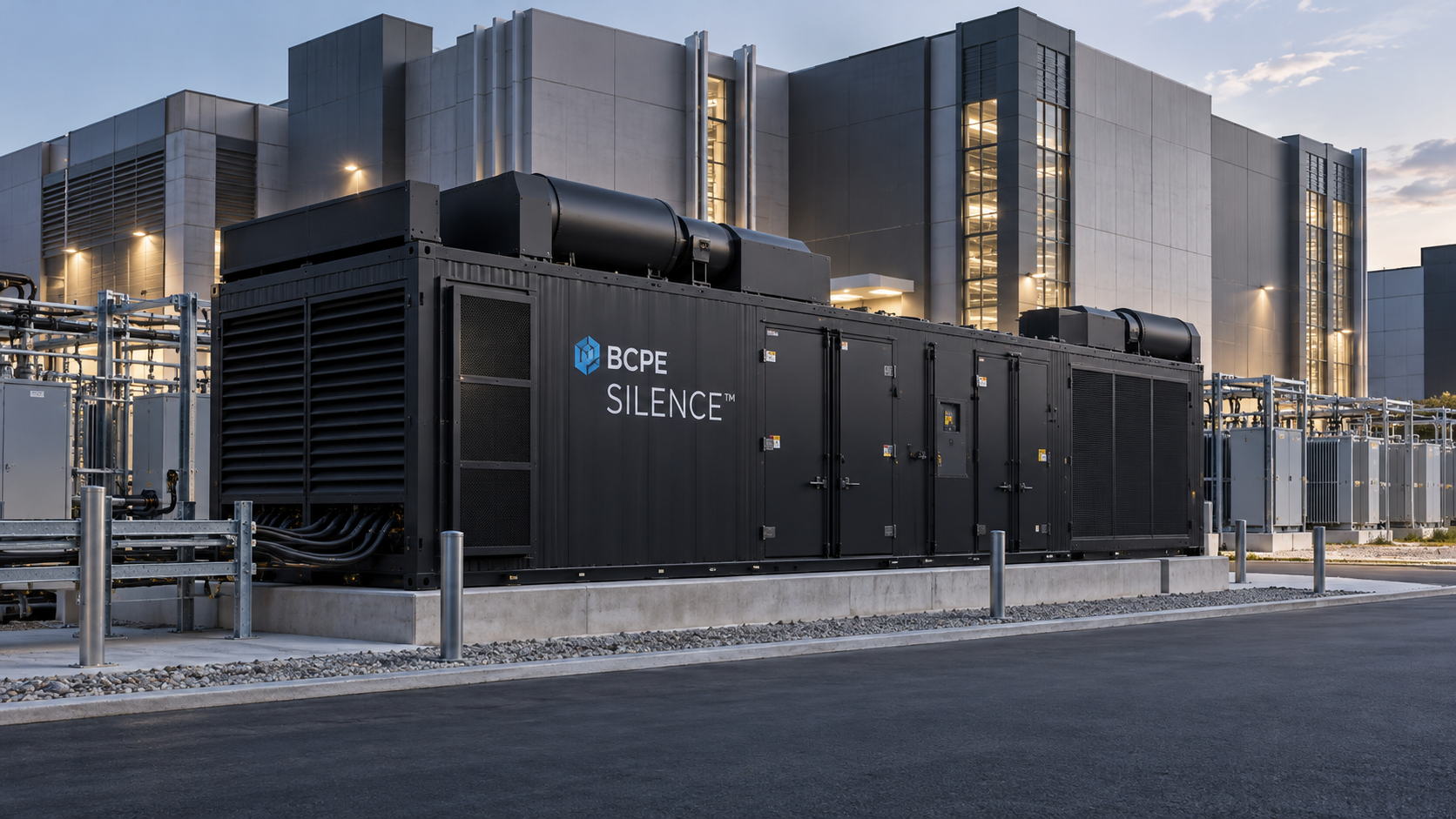
Data Centers Require Dependable Backup Power. Surrounding Communities Expect Noise-Sensitive Infrastructure to Operate Responsibly. SILENCE™ is a BCPE Concept Development Initiative exploring the integration of Acoustic Engineering, Resilient Power Architecture, Energy Storage, and Intelligent Controls to address both objectives.
Reduce the Noise.
Preserve the Power.
Conventional Backup Generators can create substantial acoustic impacts during Testing, Maintenance, and Emergency Operations. For Data Centers, Healthcare Facilities, Industrial Operations, and other Critical Infrastructure, reducing those impacts requires more than simply adding insulation around an engine.
The SILENCE™ development concept examines Engine Exhaust Attenuation, Structural Vibration Isolation, Acoustically Treated Cooling Airflow, Sound Transmission Controls, and Site-Specific Noise Mitigation. These measures would be engineered around the Generator’s Combustion, Cooling, Exhaust Backpressure, Maintenance, and Emergency Operating Requirements.
Where appropriate, Hybrid Energy Storage and Coordinated Power Controls may also reduce Generator Operating Time during permissible operating modes. Essential Standby Readiness, Electrical Protection, and Mission-Critical Power Availability remain governing design constraints.
SILENCE-R™
Proposed Acoustic Retrofit Architecture for Existing Generator Installations. Development Areas include Exhaust Silencing, Acoustic Barriers, Cooling-Air Attenuation, Vibration Isolation, and Site-Specific Noise Assessment.
Preserve Existing Generation Infrastructure.
SILENCE-40™
Proposed 40-Foot Container-Based Power Architecture integrating Acoustic Mitigation, Generator Systems, Protected Controls, and Optional Hybrid Energy Storage. Final Equipment Packaging, Cooling, Separation, and Electrical Configuration would be established through Engineering and Safety Analysis.
New-Build Resilience with Acoustic Design in Mind.
SILENCE-C™
Proposed Campus-Level Acoustic and Power Integration Approach for Multiple Generators and Noise-Sensitive Facilities. Development Areas include Acoustic Modeling, Equipment Placement, Sound Barriers, Operating Coordination, and Measured Performance Verification.
Integrated Noise Mitigation Across the Facility.
Acoustic Performance Cannot Come at the Expense of Power Reliability.
SILENCE™ is being explored through the same Mission-Driven Systems Engineering Philosophy that governs BCPE Power Architecture: Define the Operating Requirement, Identify Failure Modes, Engineer Integrated Solutions, Model Performance, and Validate the Complete System. Any future Acoustic Performance Targets would require Defined Test Conditions and Independent Verification.
Development Status: Concept Development. SILENCE™, SILENCE-R™, SILENCE-40™, and SILENCE-C™ are proposed architectures and product concepts, not completed, commercially available, or independently validated BCPE systems. Acoustic, emissions, runtime, and reliability performance have not been established. Product names are working designations subject to trademark review.
Permanent or Deployable.
The Mission Still Matters.
Every Power Architecture is Engineered around Mission Requirements, Operational Priorities, and the Critical Systems that Must Remain Powered and Protected.
Resilient Power Begins with Mission Requirements.
Engage BCPE to Evaluate Mission Requirements, Critical Load Profiles, Operational Constraints, and Resilient Power Architectures Engineered for Mission Continuity.
Discuss Your Mission Requirements